Independent GPS containment guide
GPS Dog Fence
Compare virtual fence systems by property shape, satellite conditions, dog fit, subscription cost, and training—not by a single acreage claim.
25model profiles
10brand collections
77in-depth guides
4decision tools
Start with fit
Is a GPS fence right for your yard?
A GPS collar receives satellite signals and compares its location with a stored virtual boundary. Some systems draw custom shapes; others create a circular radius. Neither is a physical barrier.
⌖
Property shape
Measure the usable safe area after roads, ponds, buildings, neighbors, and the required positioning buffer.
⌁
Sky view
Test tree lines, walls, metal roofs, ravines, and narrow corridors—not only the open center of the lawn.
◉
Dog fit
Check weight, neck range, receiver size, temperament, learning history, and feedback options.
$
Total cost
Include extra collars, tracking plans, replacement accessories, and the exact features lost when a plan ends.
Commercial research
Shop all model profiles →GPS dog fence model profiles


PetSafe
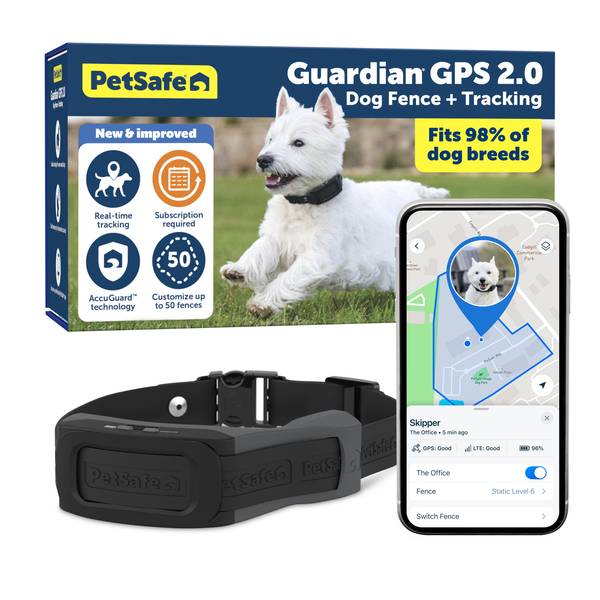
PetSafe Guardian GPS and Tracking Fence
Owners who want escape notifications as well as containment
View model profile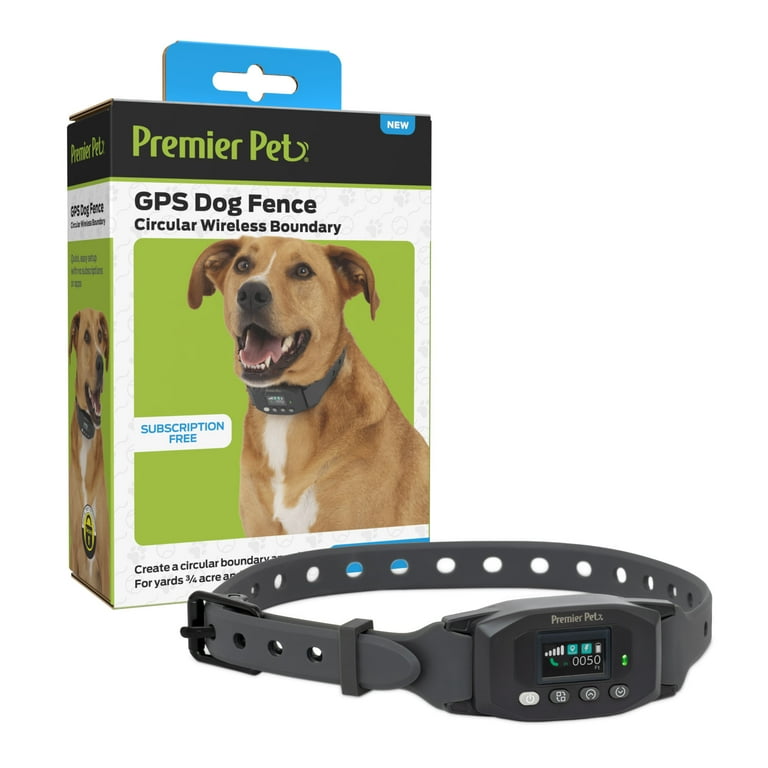
Premier Pet
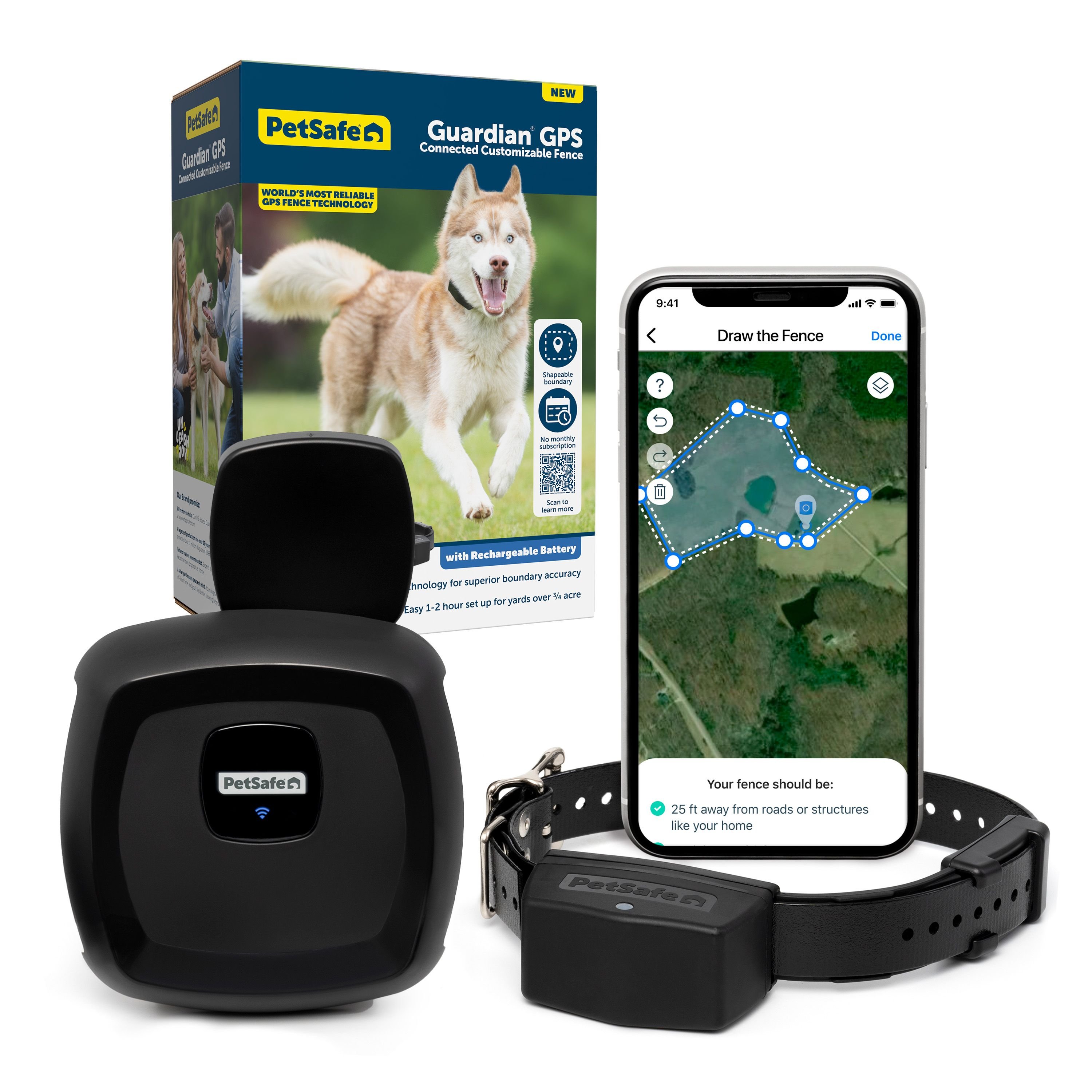
Premier Pet GPS Dog Fence
First-time GPS fence buyers seeking a simpler interface
View model profileBoundary reality check
Four checks before you buy
1
Draw the safe zone
Begin inside the hazards, not on the deed line.
2
Choose the shape
Decide whether a circle can fit or a custom polygon is necessary.
3
Test every edge
Carry the collar at dog height before training.
4
Train visibly
Use flags, leash, rewards, and gradual distractions.
Low-KD entry points
See all collections →Shop by property and ownership need
GPS Dog Fences Without a Subscription
Compare containment systems that may work without a recurring containment fee; verify which tracking features still require service.
GPS Dog Fences for Multiple Dogs
Start with system compatibility, then price the correct number of collars and a separate training plan for each dog.
GPS Dog Fences for Large Acreage
Virtual boundaries can suit acreage, but tree cover, terrain, roads, water, and the usable training buffer matter more than the advertised maximum.
GPS Dog Fences for Small Dogs
Weight, neck fit, receiver size, correction range, and manufacturer minimums are the first filters for a small dog.
Portable GPS Dog Fences
Collar-only radius systems can move between a yard, campsite, or second property, provided each location has a safe buffer and clear sky.
GPS Dog Fences With Tracking
Containment and live location tracking are separate functions. Compare notification latency, coverage, battery use, and subscription terms.
GPS Dog Fences for Wooded Properties
Trees, slopes, buildings, and narrow corridors can reduce the consistency of satellite positioning. Test the hardest boundary segment first.
Budget GPS Dog Fences
Lower-cost collars can be useful for simple open layouts, but documentation, fit, return policy, and correction controls deserve extra scrutiny.
Learn before training
Browse all 77 guides →GPS dog fence guides
Best GPS Dog Fence Without a Subscription: What ‘No Fee’ Really Means
Define which functions remain available with no plan and expose optional cellular costs.
Wireless GPS Dog Fence Systems: Choosing the Right Boundary Type
Match custom-map and circular-radius systems to actual property geometry.
GPS Dog Fences for Small Dogs: Fit, Weight and Gentle Training
Put physical fit and lowest usable feedback level ahead of feature count.
GPS Dog Fences for Large Acreage: Planning Boundaries That Hold Up
Turn a large parcel into a smaller, defensible training zone instead of tracing every property line.
GPS Dog Fences in Wooded Areas: Tree Cover, Terrain and Testing
Explain why canopy, ravines, buildings, and wet foliage can change satellite reception.
GPS Dog Fences for Multiple Dogs: Collar Compatibility and Training
Treat every dog as a separate fit, temperament, and training project within one boundary.
What a GPS dog fence can—and cannot—do
A GPS dog fence can provide a consistent warning sequence around a stored coordinate boundary when the collar has suitable positioning data and the dog has been carefully trained. It can be faster to install and easier to redraw than buried wire, especially on larger or irregular properties. A tracking-equipped collar may also send an escape alert or show location in an app.
It cannot create a wall. It cannot stop another dog, wildlife, or a person from entering. It cannot guarantee that a frightened or highly motivated dog will turn back. Satellite positioning also has normal variation, particularly near trees, buildings, terrain, and other obstructions. That is why our comparisons put field testing, generous setbacks, physical fit, and training ahead of feature count.
Safety note: Keep virtual boundaries well away from roads, water, livestock, neighbors, and other high-consequence edges. Check local laws and use physical containment when the consequences of a breakthrough are unacceptable.