
Property-fit collection
GPS Dog Fences for Small Dogs
Weight, neck fit, receiver size, correction range, and manufacturer minimums are the first filters for a small dog.
Fast answer: The right shortlist depends on boundary shape, positioning conditions, collar fit, feedback options, and the current service model. Verify every claim on the exact live listing.
What to compare first
Rule out systems that cannot safely fit the property before comparing apps or discounts. Measure the safe interior zone, allow a conservative buffer from hazards, and identify every tree line, wall, roof, slope, or corridor that could challenge satellite reception. Then confirm the receiver fits the dog and provides a training sequence appropriate for that dog.
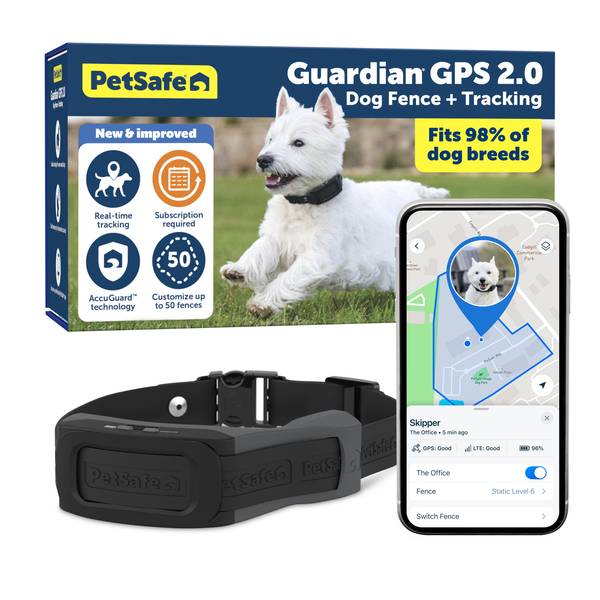
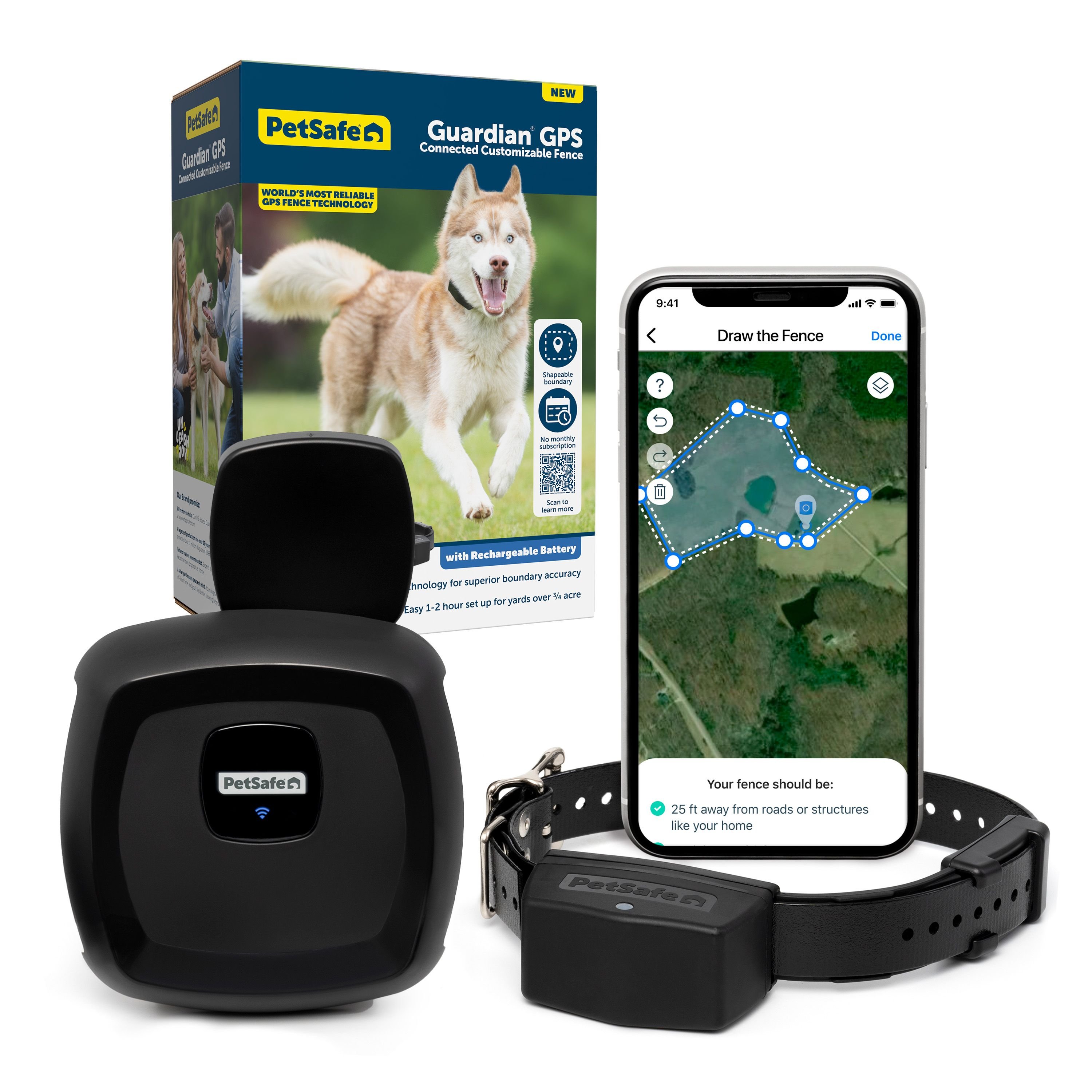
PetSafe
PetSafe Guardian GPS and Tracking Fence
Owners who want escape notifications as well as containment
View model profile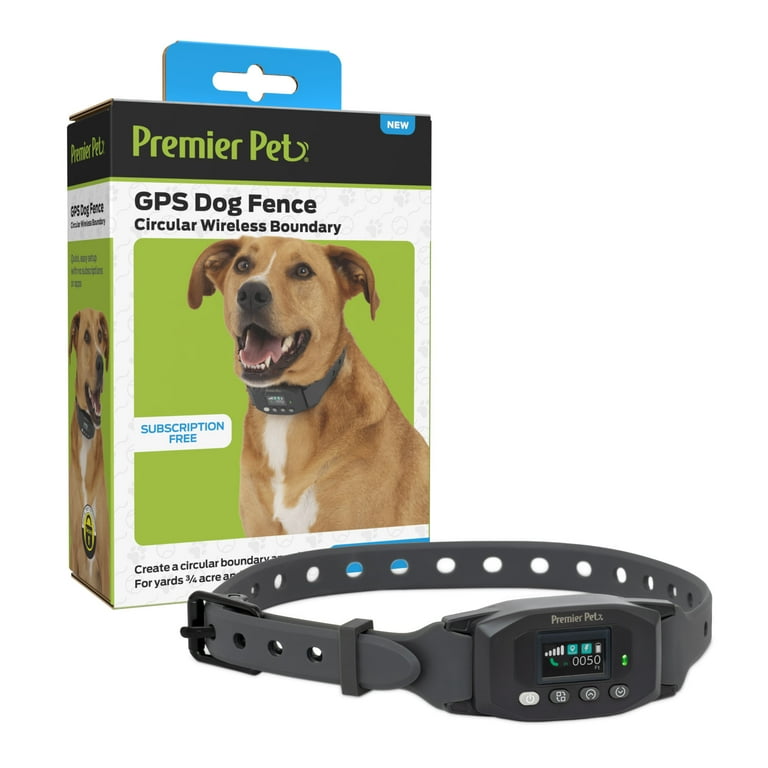
Premier Pet
Premier Pet GPS Dog Fence
First-time GPS fence buyers seeking a simpler interface
View model profile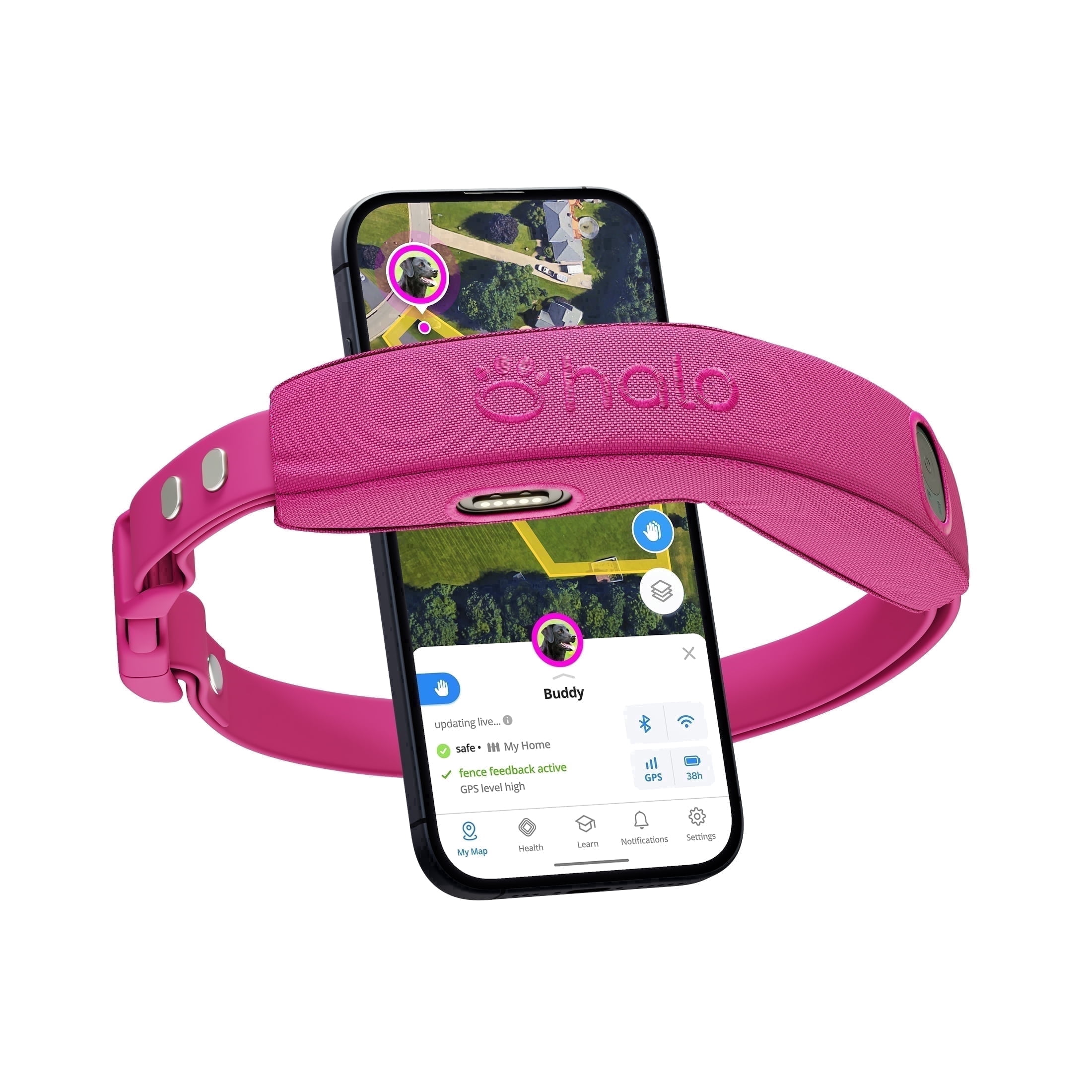
Halo
Halo Collar 4 GPS Dog Fence
Owners wanting an integrated app and training program
View model profile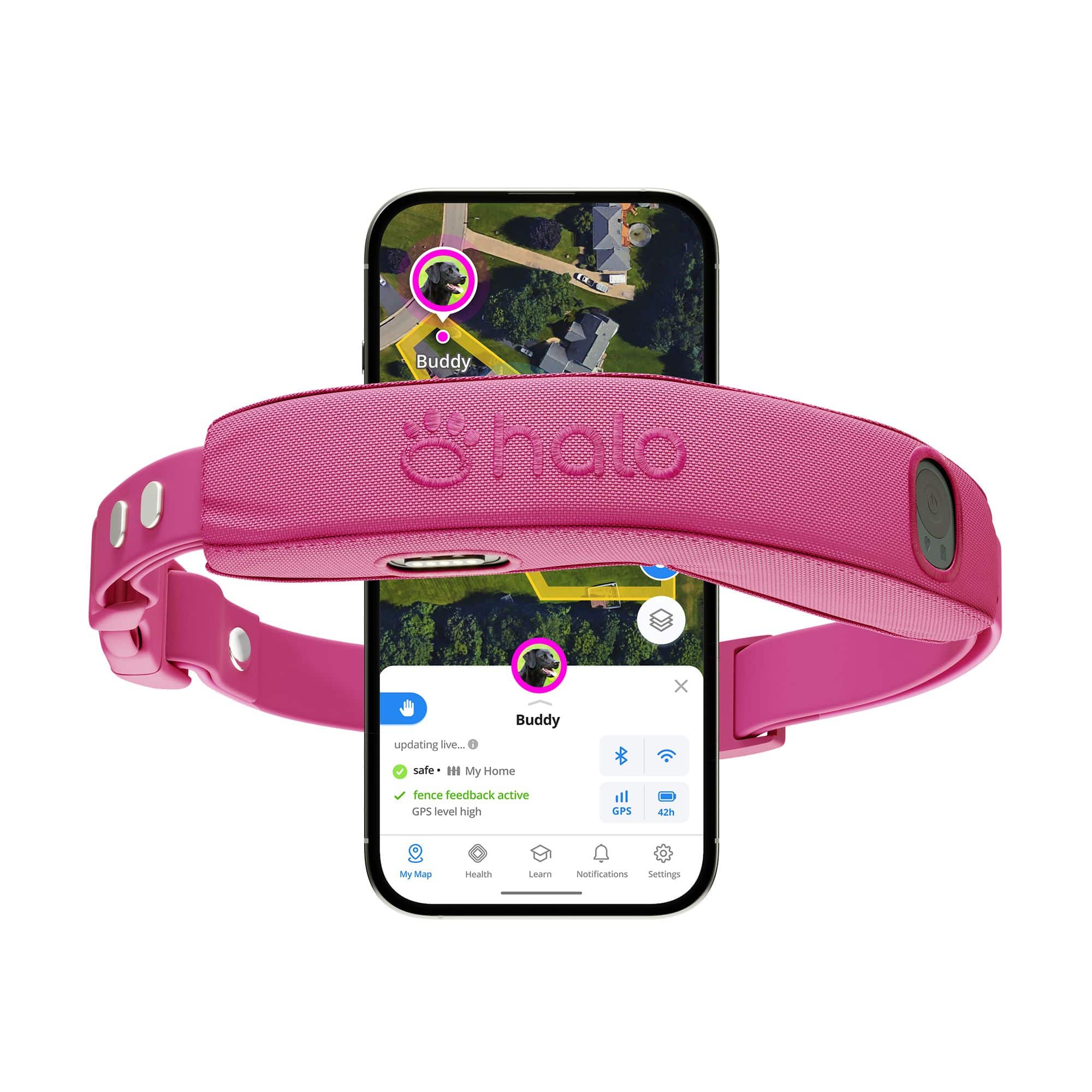

Pawious
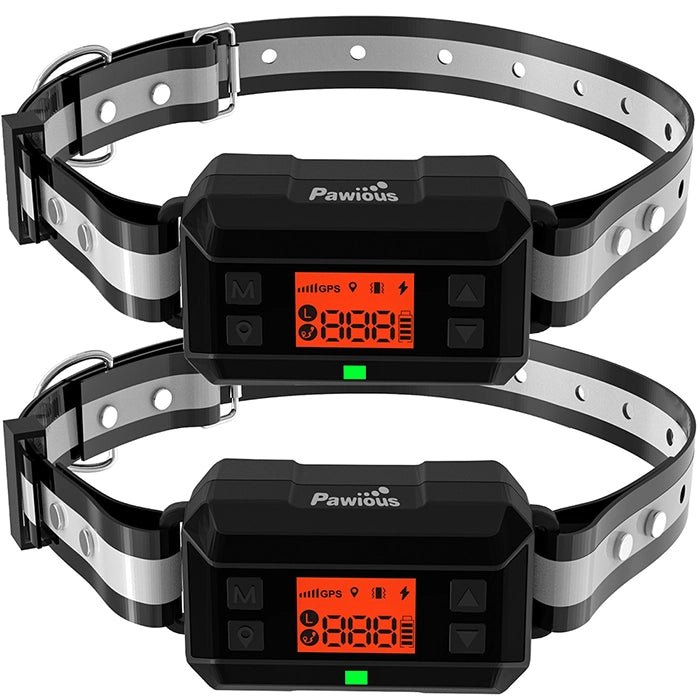
Pawious 2nd Gen GPS Dog Fence
Owners wanting collar-only setup without buried wire
View model profile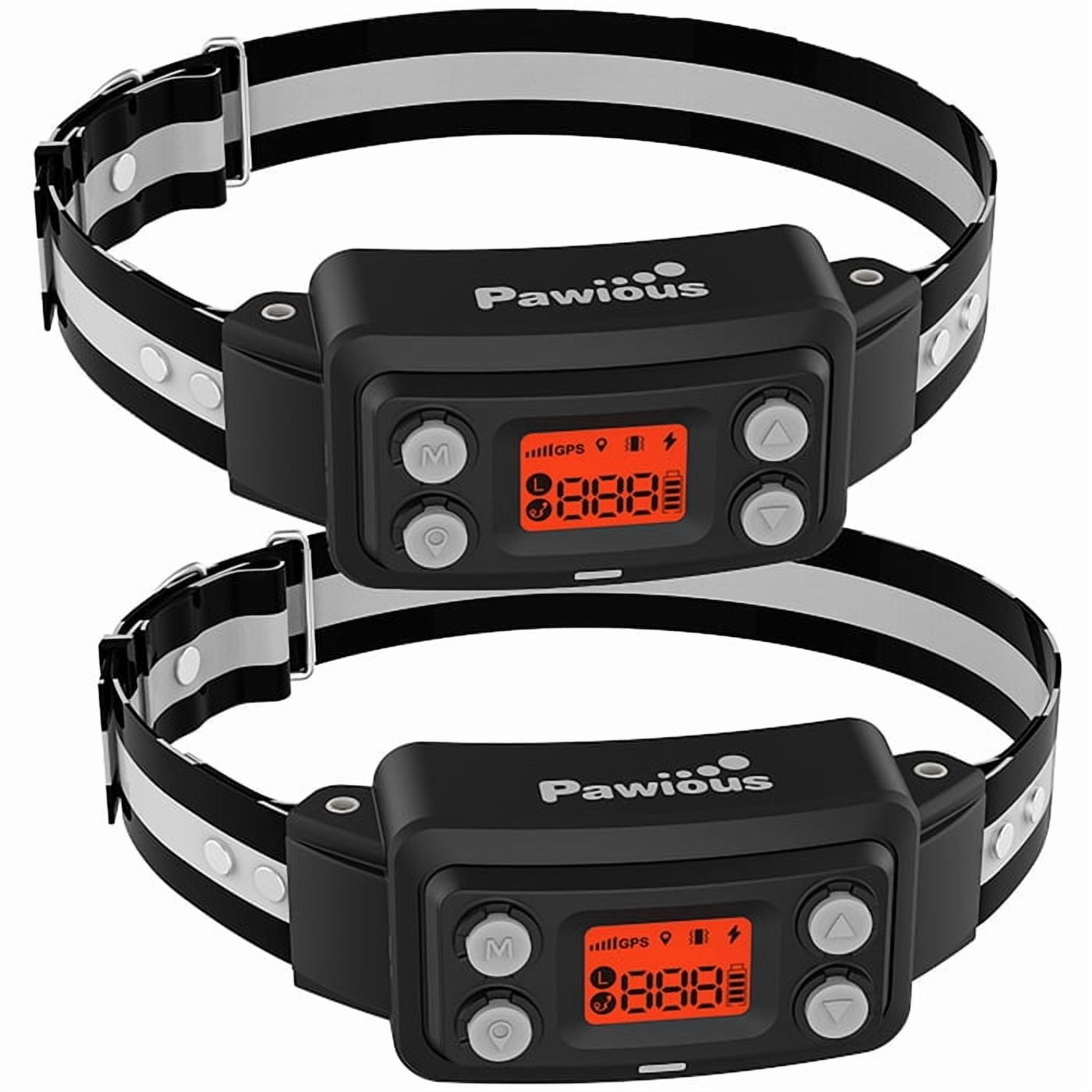
Pawious
Pawious XSentry 3rd Gen GPS Dog Fence
Shoppers comparing Pawious generations
View model profileRelated guides
GPS Dog Fences for Small Dogs: Fit, Weight and Gentle Training
Put physical fit and lowest usable feedback level ahead of feature count.
GPS Dog Fences for Small Yards: Minimum Radius Matters
Show why a product’s smallest safe boundary can be more important than its maximum acreage.